Alternative to Butter

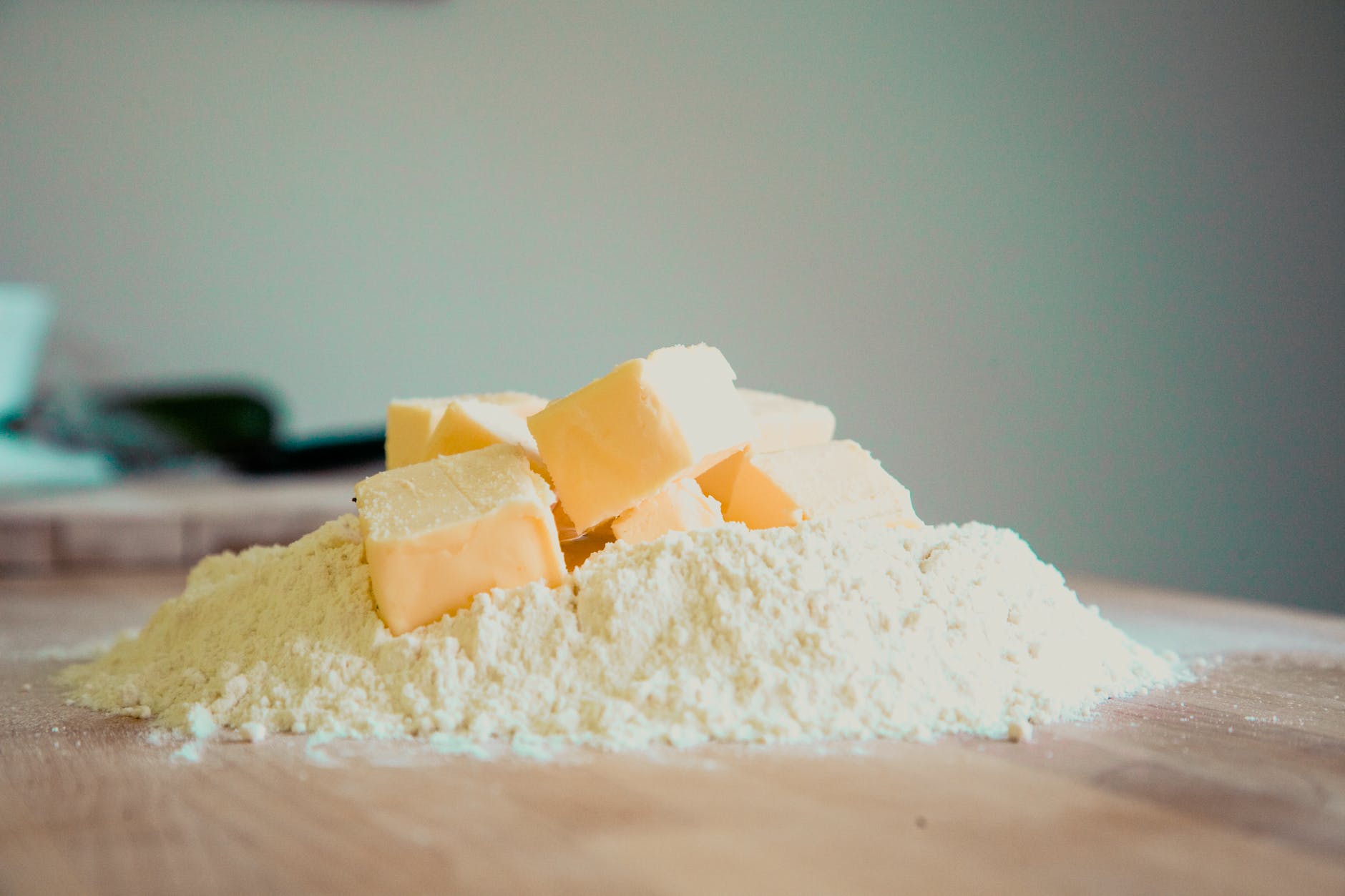
Photo by Markus Spiske on Pexels.com

Well I have been using Lactose Free margarine for a long time, I have cooked with it and baked with it and it has been fine.

I realise that the taste is different and after time, you change your taste buds, so you get used to it. But recently I have been trying out different Vegan alternatives. Mainly because I have been doing a lot more baking and with baking comes butter icing, or butterless icing!

At first I thought this was ok, just doesn’t taste as great as normal rich butter, but ok. However, I have been trying to do flowers for baking, not that great at it yet, but it is getting better. So I have learnt that normal butter has way less water, than margarine, therefore if you use margarine for flowers, they kinda flop and expand. Therefore not holding the great flower that it started out as.

So here I begin on my journey of trying the best alternative options for cooking and baking. I have recently tried and tested a couple of Vegan Butters and they are pretty good, I read about it and didn’t even know vegan butter existed, there are only two that I have found Stork and Flora. It does seems to hold the texture for icing a lot better, tastes good in baking too. They are made from plant based products and both are good.

I have used oil in baking and cooking all of the time. You should only use olive oil if being used at low temperatures, as the oil changes once heated. So it is better for salads or low temperature bakes. Any other oil is good for baking or cooking, although I only use sunflower or vegetable, I have found though, that if it is more than about 100ml in a cake, then you can sometimes taste the oil, but 100ml or less it is ok.

I have also used coconut oil in cooking, I use coconut quite a lot and it is really good for baking or cooking, but it will depend on what you are cooking and whether coconut goes with the dish, as you can generally taste it. However, if you are only using a small quantity, then it is fine.

So basically, I have found use a margarine for every day as its cost effective and simple. Definitely use vegan butter if you want a richer flavour, or you are making any icing. Use vegan butter or oil for cooking and olive oil in some bakes and salad. Use Coconut if it goes with the cake or dish being cooked, or you are only using a small quantity.

Herbal Benefits Part 2

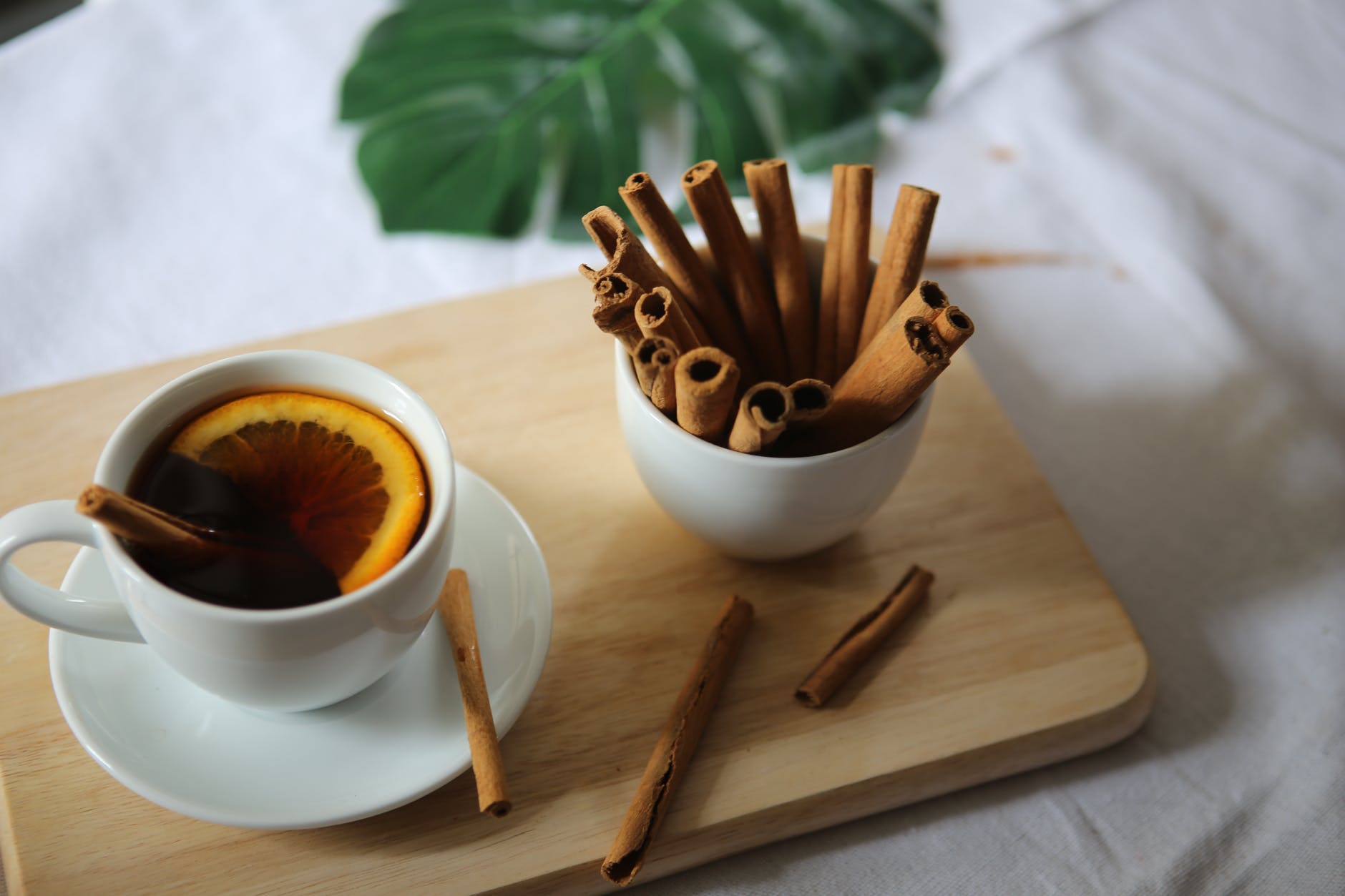
Photo by Monstera on Pexels.com

Some more herbal remedies and uses of the household herbs, fruits and vegetables.

ROSEMARY: You can use this in many recipes, but also in homemade soaps, body scrubs are just a few, but you can also have it as tea. Just add a few sprigs into boiling water and leave to steep for 5 minutes. BENEFITS: Helps with headaches and is said to help with asthma and improves memory. I have found the essential oil really helps with migraines, if you add it to a base oil and rub into your temples.

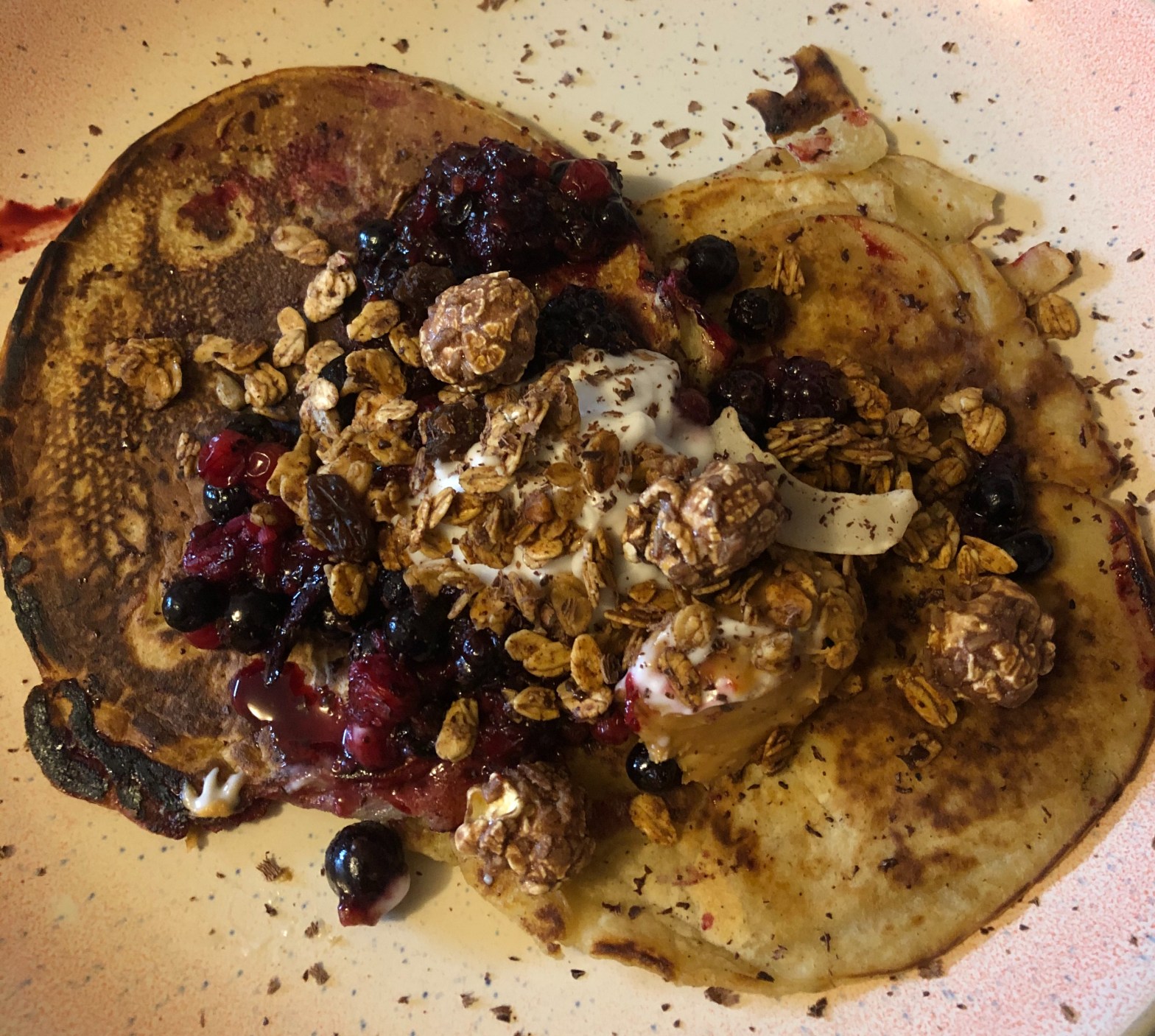
BLACKBERRIES: Both Leaves and fruit are edible. The young stems can be washed and added to salads. The berries can be used in jams as well as added to breakfasts. The leaves can be used for tea, but you do have to crush them and leave them in a damp cloth for 3 days. Then you can make it into a tea but pouring 1 cup of boiling water over 1 tablespoon leaves and straining. BENEFITS: Gargling blackberry tea helps with sore throats and can help with colds and flu.

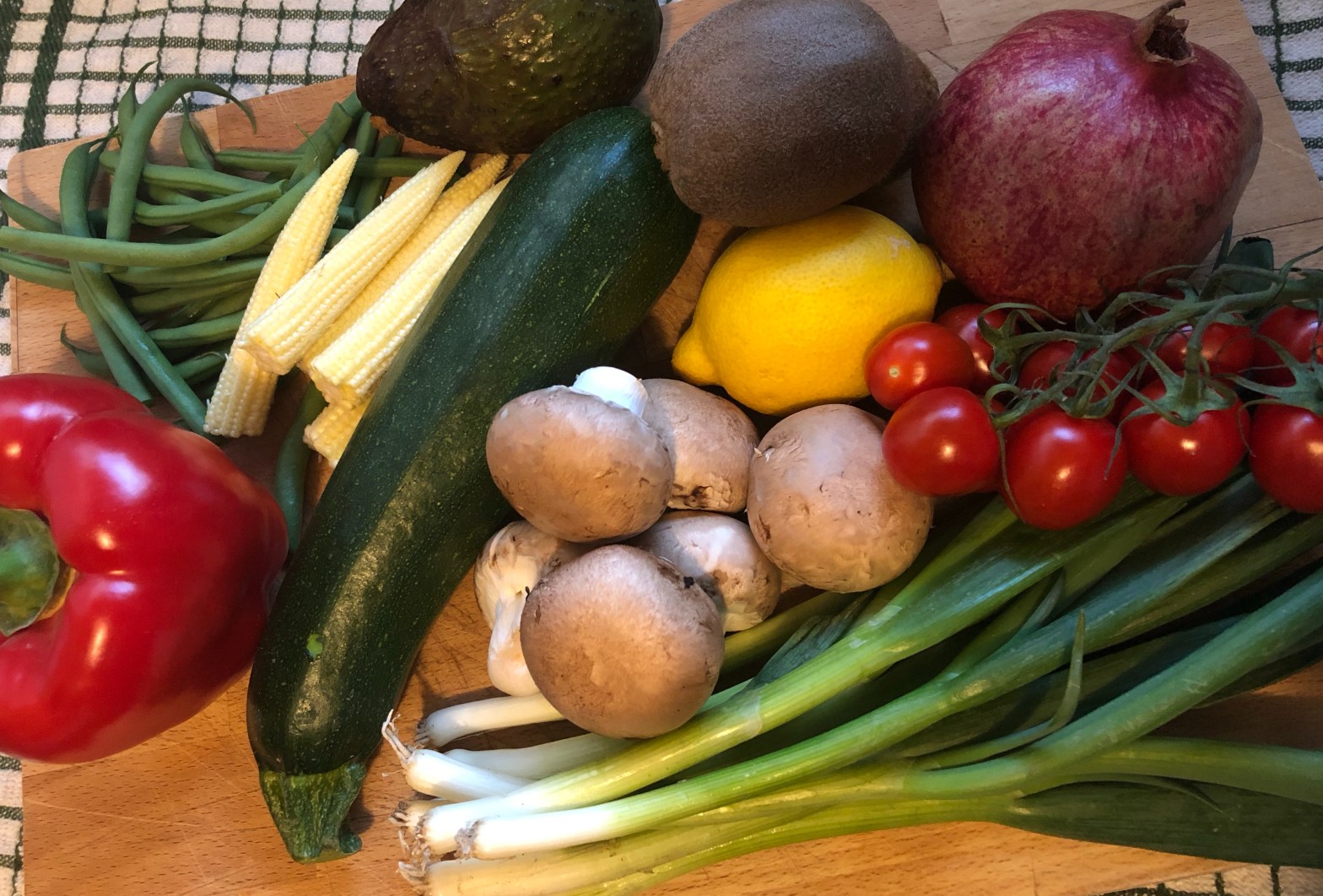
LEEKS: Can be used in lots of cooking. BENEFITS: They are know to help with digestion, reduce inflammation and fight infections.

LEMONS: Can be used in foods, such as dressings, baking, sauces and drinks. BENEFITS: High in vitamin C, Flavonoids and antioxidants, can aid in prevention of free radicals, maintaining healthy complexion, increasing iron absorption and boosting immunity.

Herbal Benefits – Part 1

Photo by Ngu00f4 Tru1ecdng An on Pexels.com

Some helpful tips on those natural herbs and spices we have at home that can be used for alternative medicine. Some of them are so good and very easy. So much better than turning to tablets.

CINNAMON: Place bark in a saucepan of cold water, bring to the boil and simmer for 15 minutes. Or you can add a 1/4 teaspoon of dried cinnamon to your hot chocolate or coffee. BENEFITS: Help prevent nausea, detox the body and lower blood sugar.

SAGE: Boil sage in 2 tablespoons water. Simmer until a white froth appears, then cover and simmer for 20 minutes. Allow the liquid to cool and gargle for a few minutes (3 times a day). BENEFITS: Relieves sore throats and you can also apply to the skin, for dry skin, just dab on with a cloth.

SUNFLOWER SEEDS: You can find seeds from dried flowers, or just from a shop! BENEFITS: Rich in Vitamin E and B1, Magnesium, unsaturated fatty acids and they have antioxidants. Believed to help fight disease and reduce blood pressure.

CHAMOMILE: Excellent tea, you just pour boiling water over the chamomile flowers and steep for 5 minutes. BENEFITS: Known to help calm the body.

Mindful Eating

Most of us just eat without thinking about what we are eating, the flavours we are tasting or why we are eating.

We do a lot of eating just because… because it is there, because we are stressed, because it gives us comfort, not necessarily because we are actually hungry.

Changing your eating habits and what you eat takes time and effort.

The reward for positive eating is improved sleep, better stable mood, clearer skin and sometimes weight loss.

Some of the best ways to practice mindful eating include, slower eating, chewing better, focus on the food that you are eating and taste the flavours.

As always you need to make good choices for the right foods and ensure you know what your triggers are. Once you know your triggers, you can work on changing the habits.

So for me I do eat when stressed, hungover or drunk! I have however learnt to cut down. Also I have better foods to eat, in the cupboard, so I have less chance of over eating the wrong foods.

I have learned over time to slow down and think about what I am eating and take breaks, during my meals. This helps you to recognise when you are actually full.

It is good to not have distractions when eating, so that you can concentrate on the food, stop, interact in conversation during your meal and allow your digestion to work. This will allow your brain to engage that you are actually full.

So start working out your triggers, think about what you crave in that moment and make an action plan on what you are going to change. This can be reducing the amount you eat, to what you are actually eating. Over time practice will reward you in the end, with better habits and choices!

Snacks…

Snacks

Ok who doesn’t have the odd bad snack, I don’t know anyone that doesn’t!! But the key to better healthier snacking is planning and portion control.

Try to plan your snacks for the week, avoiding the bad snacks, then have a treat every now and then. I tend to have no more than two snacks a day.

You need to learn to have self control and be mindful when you are eating. So savour every bite, rather than mindlessly eating a whole 200g bag of crisps! Buy smaller packs or avoid buying junk unless it’s a real treat.

I know we don’t crave healthy snacks but if you get into the habit of eating healthier snacks most of the time, then at least you can reduce the amount of fat and sugar. It is the sugar fat combination that creates most cravings, in crisps, cake etc

The more you eat healthy, the less your brain craves the bad stuff. It does take time and discipline to break the cycle, but it’s worth it.

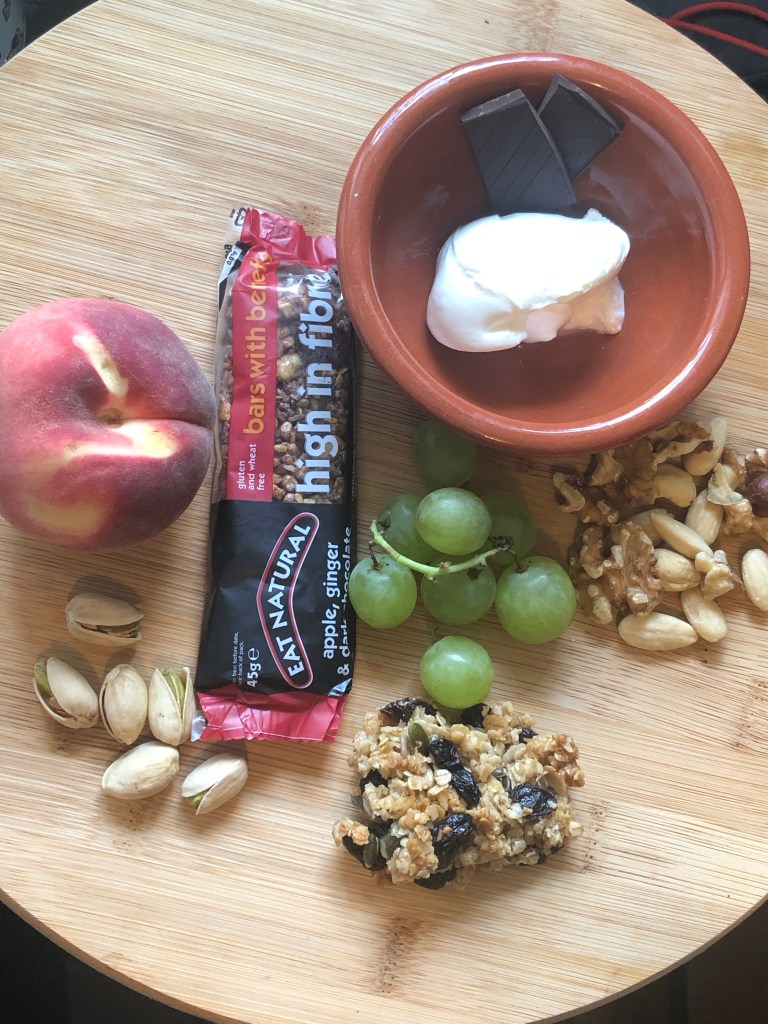
SNACK IDEAS !!!!

Nuts

Fruit and yoghurt

Nut bars (under 10g fat)

Rice Crackers peanut butter

Smoothie

Yoghurt with dark choc

Boiled egg

Vegetables and hummos

Rice cakes with avo/ cream cheese

In moderation:

Small sponge cake

Healthy flap jacks or puff rice snacks

Vitamin B

Photo by Daria Shevtsova on Pexels.com

Vitamin B is found mainly in meat, so its quite hard for the vegan and vegetarians ! It is only found as an additive to foods.

After being mainly vegetarian for 20 years (I eat some fish), I found that I had no Vitamin B left in my body (you have to test for this!). Apparently your body finds it difficult to absorb after a long period of time, as you have not regularly eaten it. It is a lot easier now, with the fortified foods to include it.

Some people will need a top of from injections, but you can ensure you do not run out and include it in foods now.

Basically, its like oil in a car, only a small amount is used by the body and the levels do not normally drop, but you need to top it up every now and then!! So if you are a vegan or veggie, or do not eat much meat, you need to consider foods to include this.

Vegan cheese, cereal, marmite and malt extract all include Vitamin B.

  • It is also in whole grain (brown rice, barley and millet)
  • Eggs, milk and cheese
  • legumes, beans and lentils
  • sunflower seeds and almonds
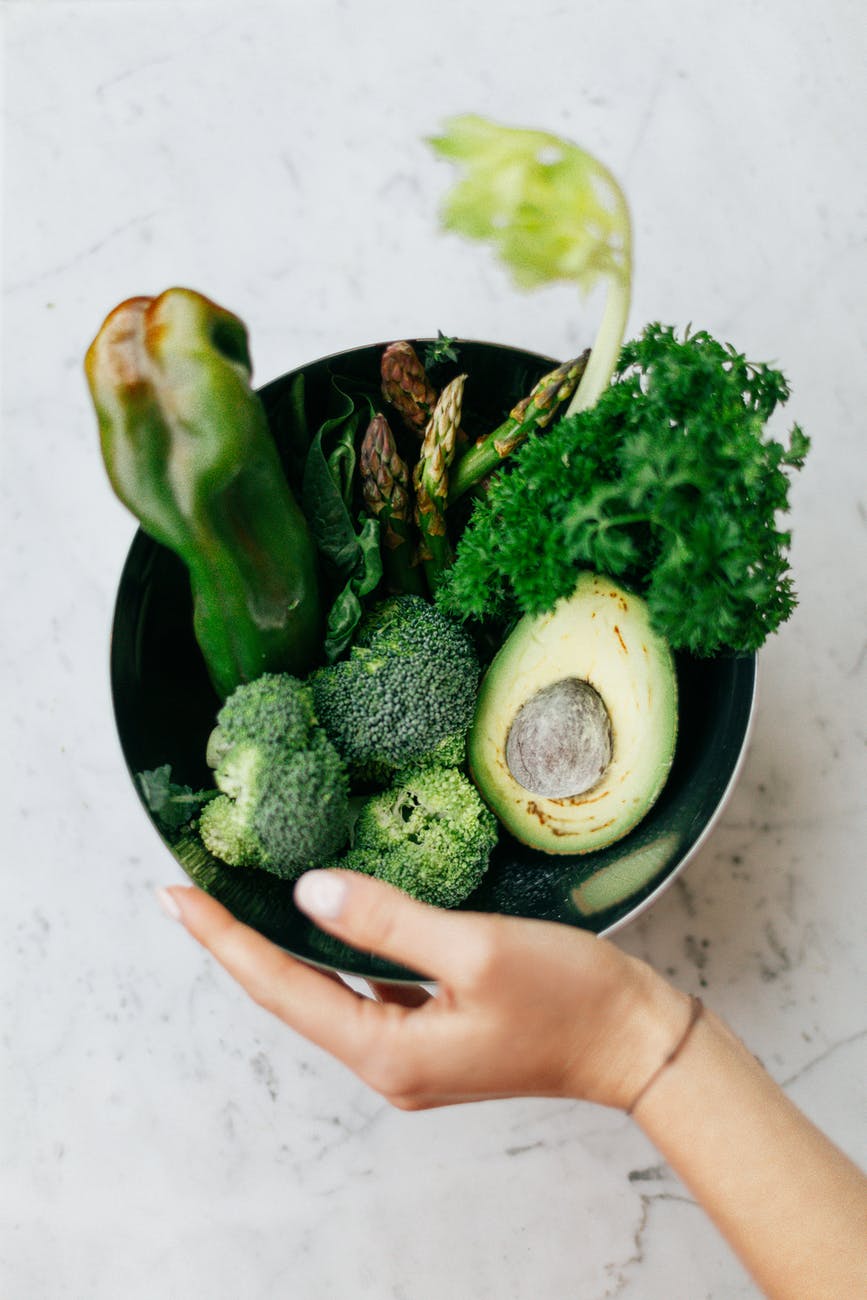
  • broccoli and spinach
  • citrus fruit, avocados and bananas

Generally the differing B vitamins are found together.

Signs of deficiency differs for each type of B vitamin, but some main ones include: Anaemia, dermatitis, ulcers, numbness in the hands or feet, confusion, depression, mood changes, forgetfulness, poor muscle coordination.

So spread that marmite thick on your toast and keep eating a varied diet.

Iron Deficiency

Photo by Anna Shvets on Pexels.com

Well I don’t know if you have ever suffered from Iron deficiency, but I certainly have! I had been suffering from it for years, but didn’t actually realise. I just powered on through.

Well now I actually recognise when I am becoming anaemic or low on iron, with peeling nails, much harder to train, as there is less oxygen moving around the body and some people suffer from tiredness, lethargy and headaches. It can become quite serious if not treated, and if you do become anaemic, you will need to get extra help with some big iron tablets, to give you a boost!

When you do, you need to make sure you have lots of Vitamin C, which is the only way the Iron breaks down in your body. Without this, it will just flush out of your system. Your body only absorbs a small amount of what you intake anyway, so it is pretty hard to boost, when you have low Iron.

A female needs about 14mg of iron a day and a male needs about 9mg. If you are a Vegan or Vegetarian, you need double the amount, as Iron that is broken down from vegetables (Non Heme) is less easily absorbed, than that in meat (Heme).

There are a variety of foods that contain higher Iron contents, such as Tofu, lentils and beans, nuts, seeds, vegetables and leafy greens, potatoes, mushrooms and some fruits (ie prune juice!)

Here are some examples of a portion of the vegetable and the iron quantities:

  • Asparagus 2MG per 100g
  • 2 Eggs 2MG
  • Chickpeas 5MG cup
  • pumpkin seeds 2 MG 1/4 cup
  • Black beans 4mg cup
  • cooked lentils 6mg cup
  • cooked Spinach 6mg cup
  • Sesame seeds 20mg cup so 1 tablespoon is 1mg

So you will recognise it is quite hard to get your daily amount, so you must eat a varied diet. Some cereals and also vegan cheese have Iron and B Vitamin added.

Some other favourites include: kidney beans, peas, fish, kale, porridge, nuts, wine and dark chocolate!! Only one glass is recommended though!!

Eating Healthier

It is always hard to change what we have always done and get out of the same old habits, whether your habit is having too many take outs, binge eating at the weekend or not wanting to cook. We all have our own bad habits, i’m a bit of a weekend binge eater, as I have a sweet tooth!

I have however tried to combat that, as otherwise, you start to tell yourself, that you need to treat yourself and then eat everything you didn’t eat in the week. It tends to then have a ever growing bad effect on how you eat.

So for me, I still do treat myself, but not as regular and I try to not have all the bad things in one day. So I might have a healthy breakfast and lunch, but then a comforting meal and dessert, but not every weekend.

There are a number of reasons that people find to not want to cook or eat better, such as the time it takes, not feeling hunger, no variety in the diet, skipping meals, overeating the wrong foods, not eating enough of the right foods or the cost.

The best ways I have found to change habits are to change the taste buds, include a constant variety of foods, swapping unhealthy foods for healthy, increasing vegetables and protein, for less carbohydrates or sweet stuff.

The main way you can combat habits is to plan!!

What I am up too…

In addition to cooking and baking, I do a lot of exercise, so I like to include protein with the majority of my meals. Not only does it help with training, giving me the slow release energy I need, but it also helps keep me full and stops me eating as many carbs, which I know my love handles like!

So I try to balance my weekly food, to ensure I include what I need to give me the energy to do what I love and also enjoy the food I cook.

I use a lot of lactose free or alternative milks and oils, such as coconut oil or lactose free yoghurt. I do also eat a lot of Gluten Free meals, but I have not totally cut it out. I believe you can use all the recipes and adapt them to eliminate your particular sensitivity, or swap items such as fish for quorn or tofu.

Using the whole vegetable and not wasting it, is a must, so I sometimes make lots of meals from one vegetable, which is also cost effective. To save on time or to ensure I always eat a decent meal, I do a lot of bulk cooking, so this helps when there is little time. Most meals will keep for 3 days in the fridge, or freezer for much longer, generally up to 3 months.

Nutritional Interest

Since I have studied Nutrition, I became more interested in what I was eating and therefore started experimenting with different foods and flavours.

Working in hospitality has also helped me discover new flavours and try out cooking using different items and increasing my palate.

To start working towards a balanced diet, you need to increase your taste buds, so that you can eat and enjoy eating a variety of foods.

I started by introducing different vegetables and swapping different proteins and carbohydrates, to ensure you have constant change in your diet. The more variety you have in your diet, the more you will like different flavours and are willing to experiment more.

It does take discipline and hard work to progress into regularly eating a variety of nutritious foods, without reverting back to old habits.

Once you have started doing that, you will find it a lot easier to cook, avoiding or minimising intolerances.